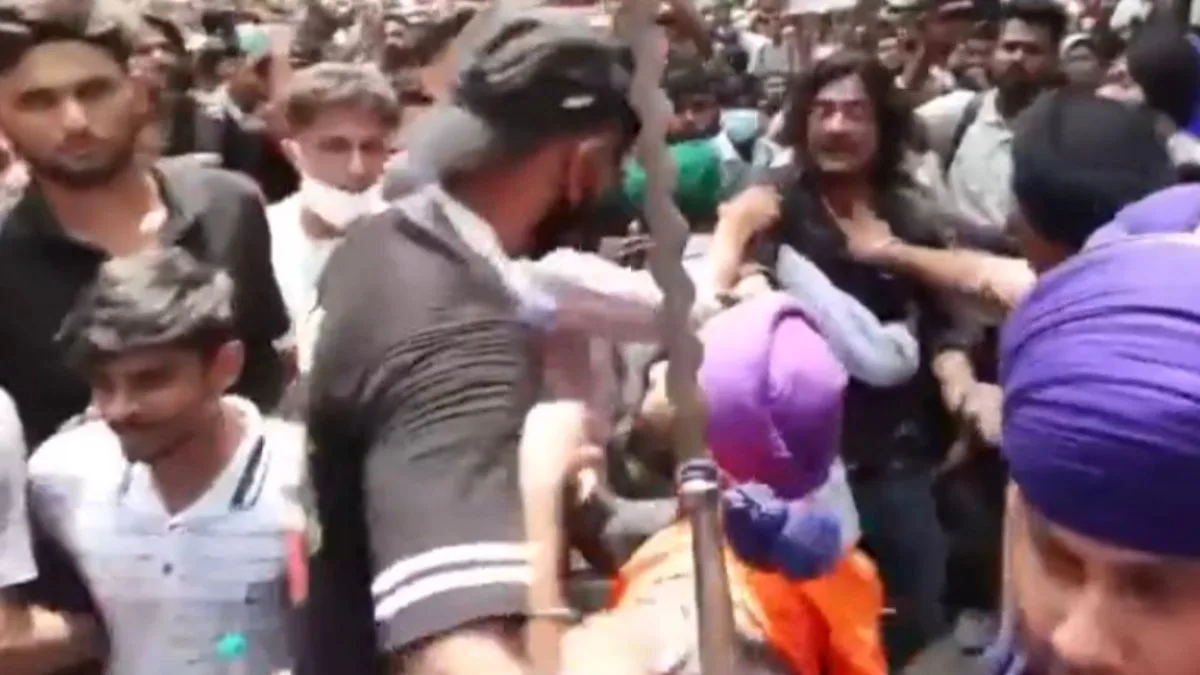
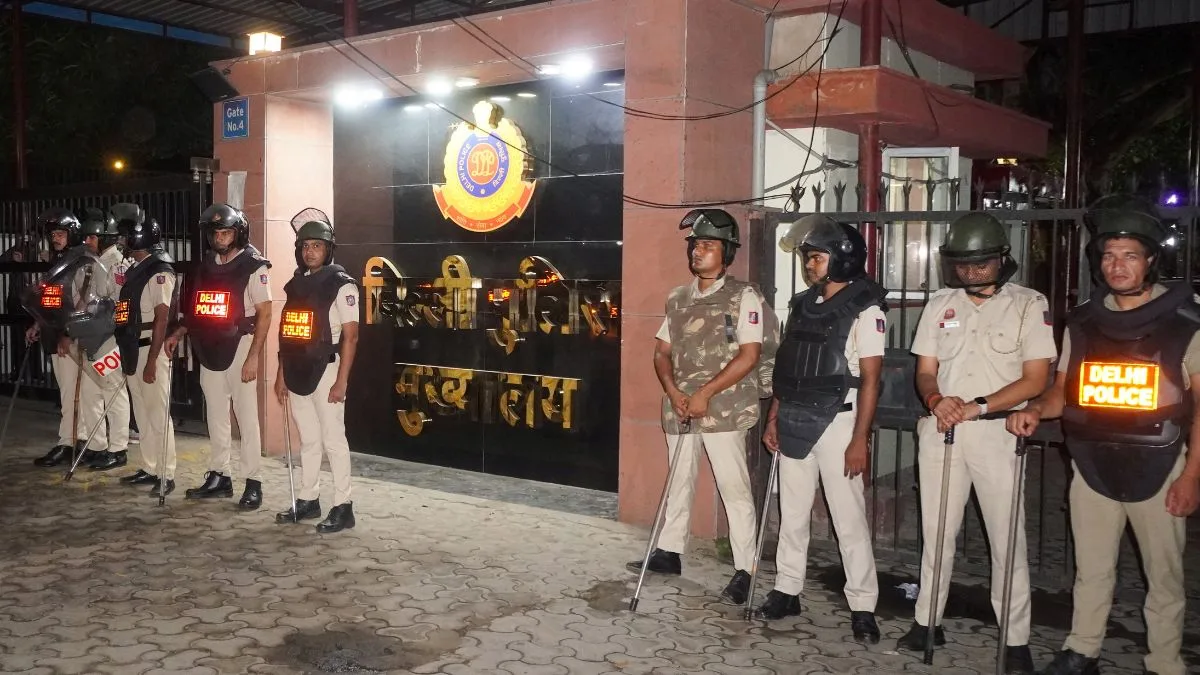
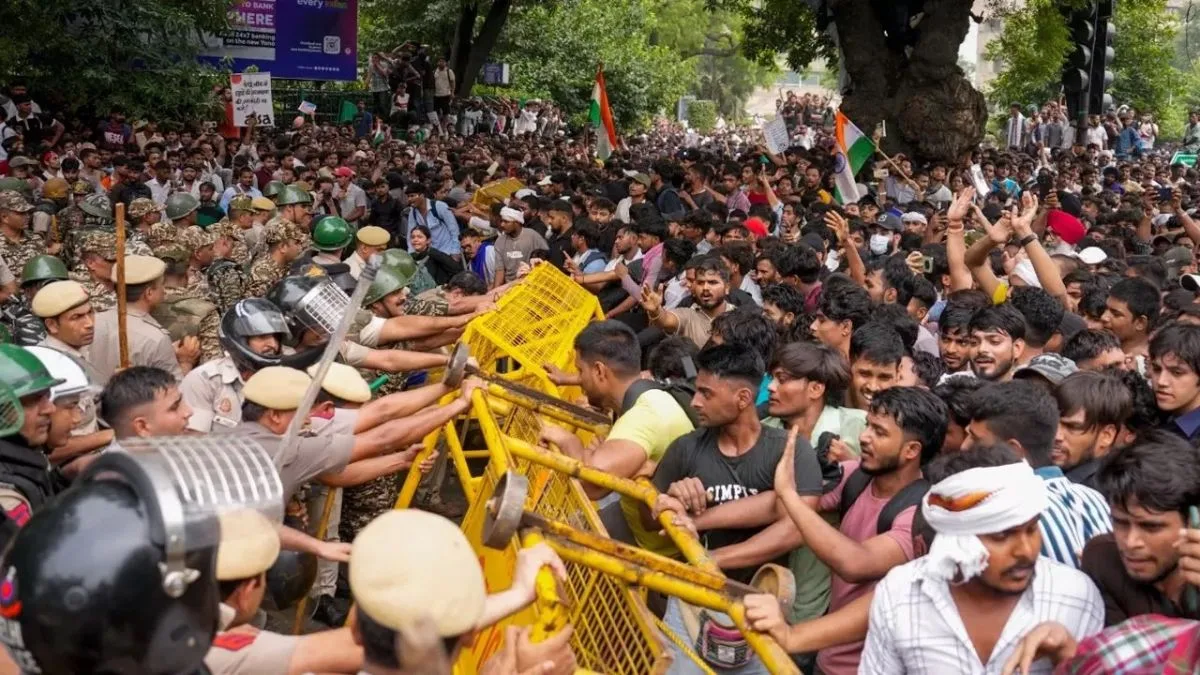
Jantar Mantar protest: Jitendra Singh says 4 proposals sent to CJP; talks can take place at JP Nadda’s office or residence
The CJP has already said that the talks can be held at Jantar Mantar or a neutral venue.
The question is not whether both sides want Parliament to function, but when they decide that the political benefits of compromise outweigh those of confrontation, say observers.




With Government-Opposition relations at their nadir, the fourth day of the Monsoon Session of Parliament on Thursday witnessed repeat confrontations over the NEET-UG paper leak and students protest, with no apparent breakthrough in sight to end the continuing impasse in the two Houses–the Lok Sabha and the Rajya Sabha.
The Opposition remained firm on its demand for the resignation of Union Education Minister Dharmendra Pradhan before any discussion on the paper leaks. The government, meanwhile, reiterated its willingness to hold a detailed debate without the Opposition’s precondition.
Advertisement
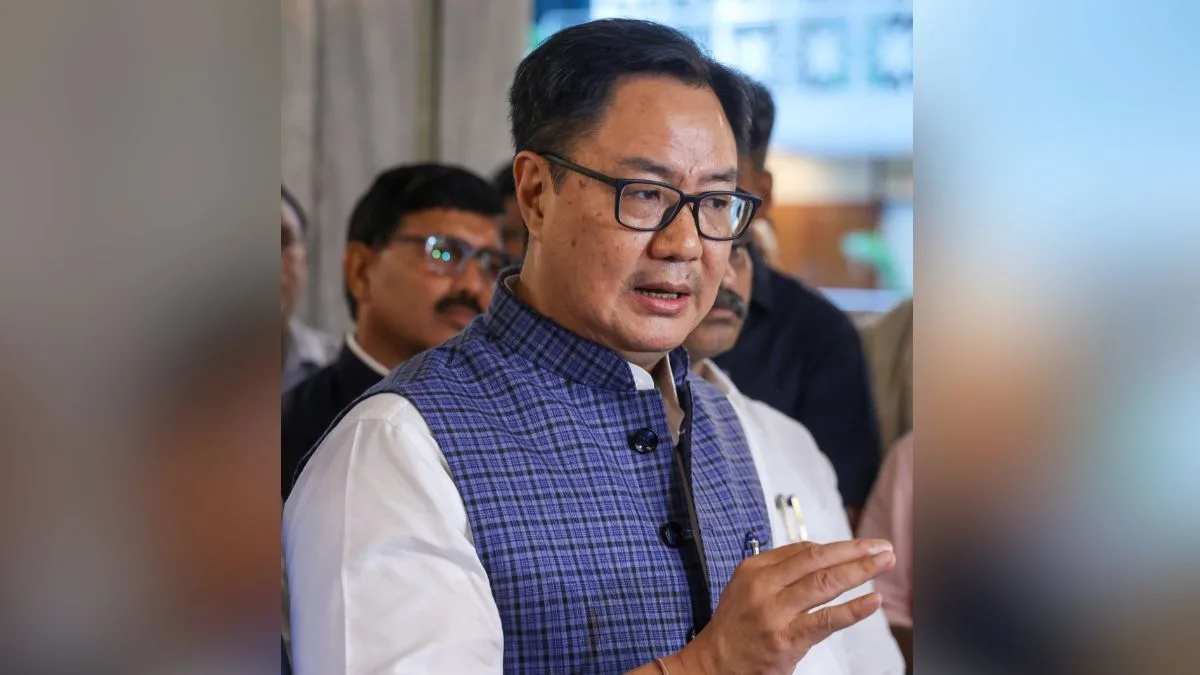
Parliamentary Affairs Minister Kiren Rijiju insisted that the Centre was ready for a discussion in both Houses. “The government is ready to discuss NEET in both Houses today, but the Congress has imposed conditions, which shows it does not want the discussion to take place,” Rijiju said.
Advertisement
Leader of the Opposition in the Rajya Sabha Mallikarjun Kharge rejected the offer, reiterating the demand for Pradhan’s resignation. He also criticised Prime Minister Narendra Modi’s announcement on setting up fast-track courts for paper leak cases and asked the government to first fix accountability.
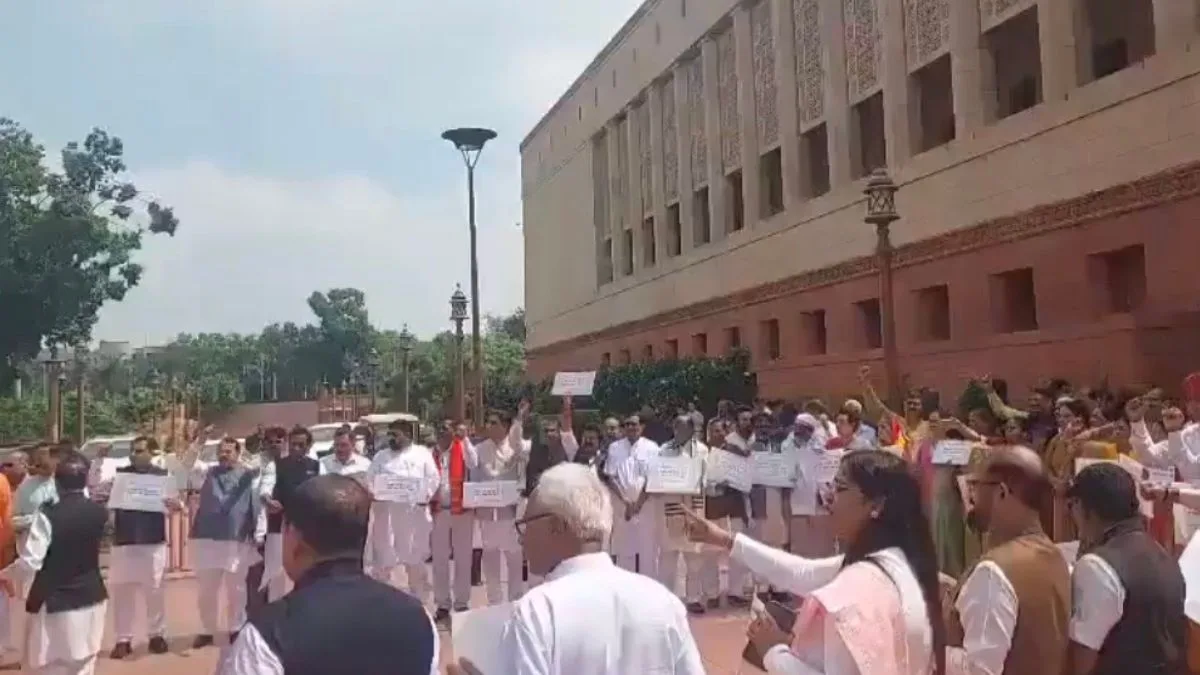
As the standoff continued inside, MPs from both the ruling NDA and the Opposition staged counter-protests outside Parliament near the Makar Dwar, raising slogans against each other, adding to the growing hostilities between the treasury benches and the opposition.
While NDA members accused the Opposition of avoiding a debate on the issue, Opposition leaders maintain that the government could have initiated discussions on the very first day of the session had it been sincere. Sources, meanwhile, said the government’s efforts to engage the Opposition without agreeing to its key demand for the Education Minister’s resignation are unlikely to yield a breakthrough.
Parliament has remained largely non-functional since the session began on July 20, with repeated adjournments and without any substantive legislative business.
By insisting on Pradhan’s resignation before any discussion, observers say the Opposition is trying to establish political accountability first. If it agrees to a debate without that pre-condition, it risks appearing to have diluted its demand. While giving it a tangible political issue to corner the BJP-led NDA, disruptions will also keep the issue in the news and allow it to portray the government as unwilling to accept responsibility.
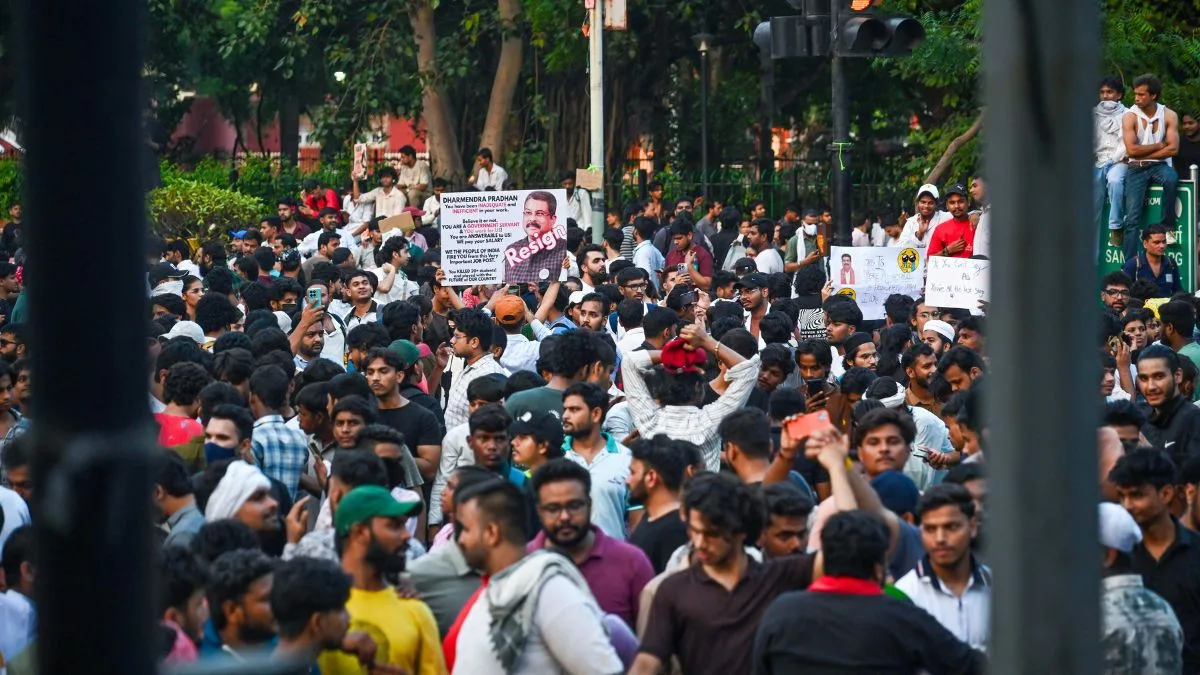
Cockroach Janta Party founder Abhijeet Dipke too has announced that the protest will continue till Pradhan resigns.
The government says it is willing to debate the issue and that solutions will emerge only from discussions. But BJP sources reject the pre-condition of Pradhan’s resignation, saying that accepting such a demand may be perceived as admitting culpability and set a precedent encouraging future Opposition demands for resignations before parliamentary debates.
With no consensus emerging, observers say that the key question is not whether both sides want Parliament to function but when they decide that political benefits of compromise outweigh those of confrontation.
“That calculation will determine when the parliamentary deadlock ends,” they said, adding that behind-the-scenes talks between floor leaders may produce a formula. For instance, the government could agree to a debate under the rule acceptable to the Opposition, while they could participate without securing Pradhan’s immediate resignation.
Advertisement